Nutritional Goals Without the Bland Bowl: Why Lifters Run on Cream of Rice
Why do lifters swear by cream of rice? See how carbs support your nutritional goals, and how bold flavor and smart sauce portions keep macros on track.
Quick answer
Why is cream of rice so popular with lifters? It is a quick-cooking, low-fat, low-fiber carbohydrate that is easy to digest, easy to weigh, and easy to eat in the amounts training demands. Paired with protein, it helps people reach their daily nutritional goals for carbohydrate, especially in meals close to a workout.
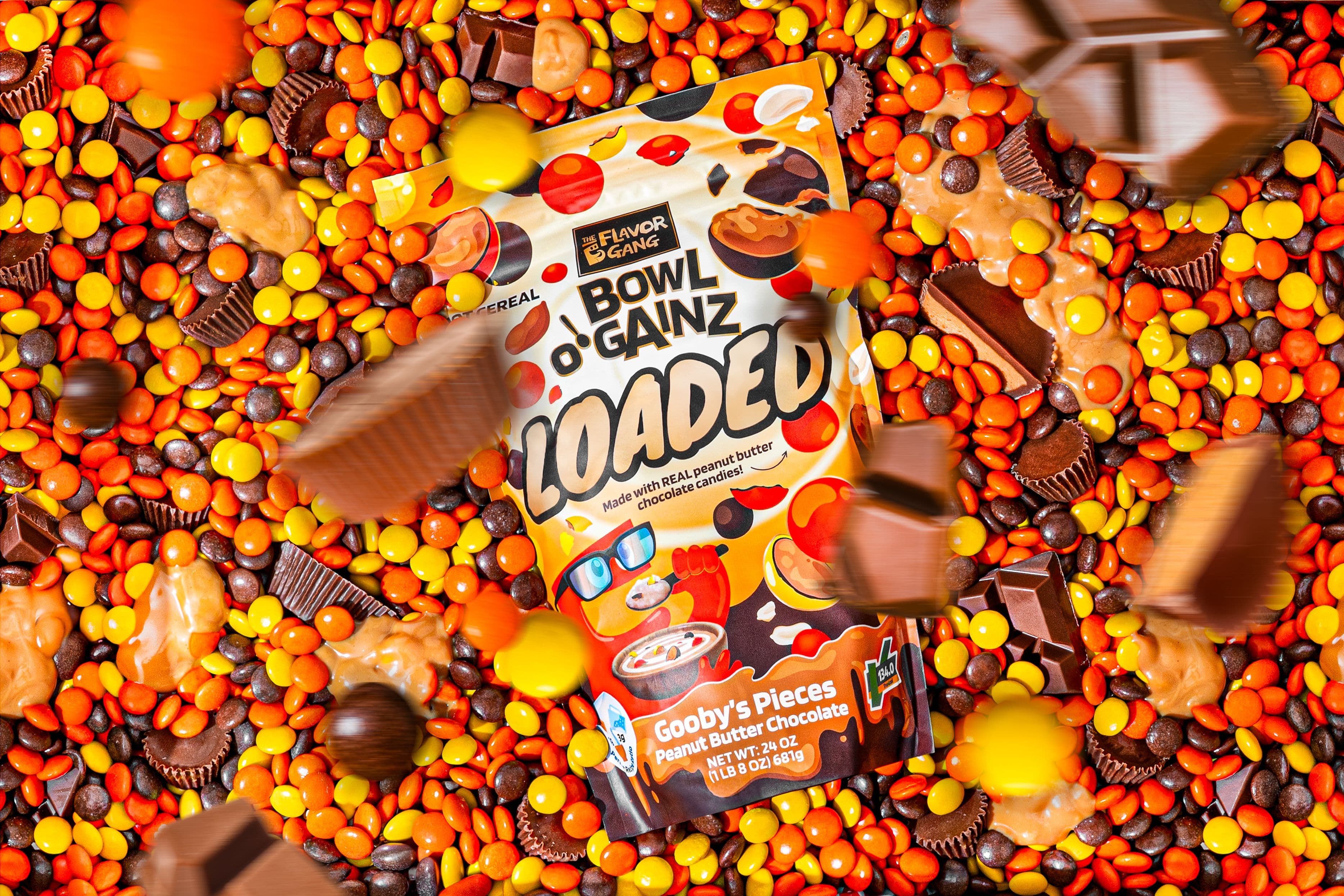
Somewhere between the first gym membership and the first food scale, most lifters run into an unglamorous truth: nutritional goals are mostly a carbohydrate logistics problem. Protein gets the headlines. Carbs fill most of the plate, and eating enough of them, day after day, is harder than it sounds. That is how a plain hot cereal that has sat in American pantries for more than a century ended up in gym bags everywhere.
Nutritional goals start with carb math
A 2019 review of off-season bodybuilding nutrition in the journal Sports recommends 1.6 to 2.2 grams of protein per kilogram of body weight per day, a moderate amount of fat, and the rest of your calories from carbohydrate, at least 3 to 5 grams per kilogram. For an 80-kilogram (176-pound) lifter, that works out to 240 to 400 grams of carbohydrate every single day. General sports nutrition guidelines land in the same place: 3 to 5 grams per kilogram for light training, 5 to 7 for about an hour a day of moderate work, and more for endurance athletes.
Try reaching 400 grams from broccoli and brown rice alone and you will run out of stomach before you run out of target. Fiber and fat earn their place in a diet, but they are filling and slow to digest. The practical challenge is finding carbs that go down easily, sit comfortably, and can be measured to the gram.
What those carbs do in the gym
Muscles store carbohydrate as glycogen, the fuel they lean on for hard, repeated efforts. This is also where gym lore runs ahead of the evidence. A 2022 systematic review in Nutrients looked at 49 studies and concluded that, for lifters who are already fed, carbohydrate intake by itself is unlikely to change strength performance in sessions of up to 10 sets per muscle group. Benefits showed up mainly in comparisons against fasted training, in high-volume sessions, and in twice-a-day training.
Translation: there is no magic pre-workout bowl. What matters most is reaching your daily total consistently, and where you place those carbs matters more as your sessions get longer and harder.
Why cream of rice became the community’s carb
Cream of rice is rice ground into fine granules and cooked into a smooth porridge. It is hardly new. It was advertised in American grocery stores at least as far back as 1913, and it has long been a go-to hot cereal for infants and for people avoiding gluten. Bodybuilders adopted it for the very qualities that made it gentle enough for those uses, and the wider fitness community followed.
The fit with sports nutrition guidance is close. Recommendations call for 1 to 4 grams of carbohydrate per kilogram in the 1 to 4 hours before exercise, and for low-fiber, low-fat choices as the session gets closer. Cream of rice is almost all carbohydrate, with very little fat or fiber. It cooks quickly, sits lightly, and a dry scoop on a food scale is about as trackable as food gets. During a high-calorie phase, when appetite becomes the limiting factor, a carb that is easy to eat is worth a lot.
The same traits are its limits. It is low in fiber and protein, so treat it as the carbohydrate part of a meal and not the whole meal. Add a protein source, and keep fruit, vegetables, and whole grains elsewhere in your day.
Bowl O’ Gainz: the same carb, a far better bowl
The one thing plain cream of rice has never been is exciting. Bowl O’ Gainz is our answer: a rice-based hot cereal, handcrafted in small batches in Texas, in flavors that eat like dessert. Think Birthday Cake, Cream Pie, and Peaches & Cream. The ingredient lists stay short. Cream Pie, for example, is granulated rice, natural flavor, and sucralose, so the sweetness comes without table sugar. If you would rather avoid zero-calorie sweeteners, the label tells you so up front.
It is convenient in the ways that count when you are managing nutritional goals. Weigh the scoop, cook it hot like oatmeal, and build from there: protein powder or egg whites for protein, fruit for fiber, a measured spoon of nut butter for fats. The same bag doubles as batter for protein pancakes and waffles, or as a breading, which keeps a daily carb source from turning into a daily chore.
Sauces: flavor that does not cost you macros
Carbs and protein are the plan. Sauce is where the plan leaks. Many bottled barbecue sauces list around 45 to 60 calories and 9 to 13 grams of sugar per two-tablespoon serving. Sauce two meals a day at that rate and you have added roughly 630 to 840 calories a week, before a single heavy-handed pour.
The Flavor Gang’s sauces are made to close that leak. Flavor Don, our sriracha-maple foundation sauce, lists 0 calories, 0 grams of sugar, and 65 milligrams of sodium per tablespoon, about 3% of the Daily Value for sodium. Sweet Papi brings honey-mustard-style sweetness from mustard seed, vinegar, turmeric, and poppy seeds, and Take-Out Sauce handles stir-fry night. They are potent by design, so a little goes a long way.
Macro-conscious eating still runs on informed choices, and three habits cover most of it:
- Measure the pour. On a US label, “0 calories” means fewer than 5 per serving. A tablespoon or two keeps that promise. Half a bottle does not.
- Cook with it. Flavor Don works best in the pan, where a small amount coats a whole batch of chicken, beef, or rice.
- Read the ingredients. Flavor Don and Sweet Papi are sweetened with sucralose instead of sugar. Know what is in the bottle and decide what suits you.
Bold flavor, small batches, zero punishment
The Flavor Gang started in 2015, growing out of a bakery and restaurant called Gainz Bakery, where we watched people train hard and then sit down to bland meals. Everything since has been built to fix that. Recipes, bottling, and design all happen in-house in Texas, in small batches, and nothing ships until it passes our own taste test.
That is more than pride. In the 2026 IFIC Food & Health Survey, 88% of Americans named taste as a driver of what they buy, ahead of price, convenience, and healthfulness. A year-long diet trial published in JAMA found that results tracked with how well people stuck to their plan, not with which plan they picked. Nutritious eating that tastes good is the kind people keep doing. That is the bet we have made: you should not have to choose between your macros and your taste buds.

Written by Yana Capa-Pasco
Marketing Director